Exploring Water Damage Services: How to Preserve Your Property
Water damage poses significant risks to properties, necessitating a clear understanding of related services. Property owners frequently neglect the common causes and early indicators of damage, which can ultimately result in significant repair costs. Prompt and well-informed responses are critical. Hiring professionals can offer detailed assessments and successful remediation. However, many property owners remain unaware of the full extent of preventive measures available. Examining these factors can uncover essential methods for protecting your property from unexpected water-related concerns.
Exploring Common Causes of Water Damage
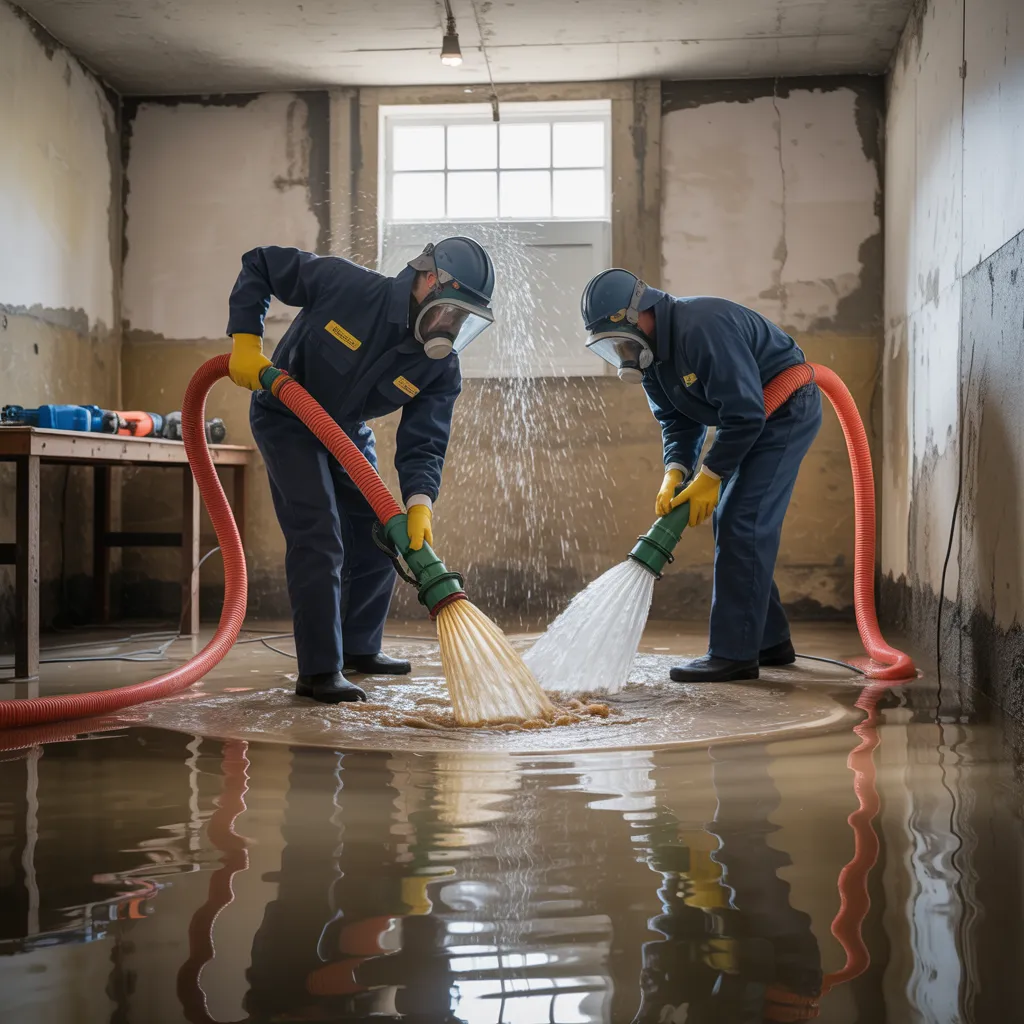
Water damage can arise from various sources, making it important to identify the typical causes that lead to such issues. One frequent source is plumbing problems, including ruptured pipes or defective appliances, which can discharge large quantities of water. Storm-related occurrences, such as intense rainfall or floods, are also responsible for water damage, especially in regions susceptible to severe storms. Furthermore, roof leaks may develop due to age-related damage, allowing water to seep into the structure. Faulty drainage systems and obstructed gutters can compound these concerns by funneling water to the foundation. Another overlooked cause is humidity and condensation, which can lead to mold growth and structural damage over time. Recognizing these typical causes can assist property owners adopt preventive strategies, safeguarding their homes from the potentially devastating effects of water damage.
Recognizing Early Signs of Water Damage
Recognizing the initial symptoms of water damage is vital for successful prevention. Residents should keep watch for specific signals that water damage may be occurring. Discolouring on walls or ceilings, commonly appearing as yellow or brown stains, can indicate plumbing or roofing issues. Moreover, peeling paint or wallpaper may indicate extended exposure to moisture. An unpleasant musty smell commonly indicates water damage, suggesting mold growth. Homeowners should also inspect for warped or buckled flooring, which may result from absorbed moisture. One more important indicator is the appearance of moisture condensing on walls or windows, signaling excess humidity levels. Timely detection of such indicators enables swift intervention, minimizing the chances of extensive damage and costly repairs. Routine maintenance and inspections can additionally help with recognizing these signs, supporting a preventative mindset toward property protection and maintenance.
Steps to Take Immediately After Water Damage
Upon encountering water damage, it is critical to take immediate actions to prevent additional problems. Initially, stopping the water source is necessary to avoid further flooding. Following that, thoroughly assessing the damage and recording all details will assist with recovery efforts and strengthen any required insurance claims.
Cut Off The Water Source
Identifying and stopping the cause of water penetration is vital for minimizing harm and preventing further issues. Prompt measures should be implemented to reduce the effect on the property. This typically requires identifying the main cause, whether it involves a broken pipe, a damaged roof, or a malfunctioning appliance. Property owners should shut off the water at the main valve to stop the flow, thereby reducing further water accumulation. In some cases, it may be necessary to contact a professional plumber to address the issue effectively. When the source is addressed, a smoother and more organized recovery can take place. Rapidly addressing the water source is a fundamental first action in shielding the property from widespread damage.
Evaluate The Damage
After the water supply has been shut off, evaluating the overall damage is crucial. This initial assessment requires locating the affected areas, including walls, floors, and personal belongings. Water commonly infiltrates surfaces, leading to unseen harm that may not be immediately visible. Trained experts routinely examine for structural stability and the presence of mold, which can spread fast in damp conditions. They will often assess the degree of harm to wiring, electrical components, and appliances. It is critical to identify the category of water present—clean, gray, or black—as this influences the remediation process. A prompt and thorough evaluation sets the foundation for efficient recovery measures, ultimately minimizing long-term impacts on the property and creating a more secure space for occupants.
Thoroughly Document Everything
Thoroughly documenting all damage is critical in the immediate period of water damage. Such careful documentation serves several important functions, including facilitating insurance claims and informing restoration work. Property owners should commence by taking clear photographs of affected areas, capturing both wide shots and close-ups of specific damage. In addition, maintaining a comprehensive list of compromised possessions, with full descriptions and value estimates, can be extremely beneficial. It is strongly recommended to document the specific date and time of the incident, as well as any prompt steps taken, such as calling in qualified specialists. Such records not only assist with insurance claims but also assists in determining the degree of damage for later review. By preserving comprehensive records, homeowners can ensure a more efficient restoration process.
How Professionals Can Help With Water Damage
Trained technicians serve a critical function in addressing the damage caused by water damage, using targeted approaches to efficiently rehabilitate impacted spaces. They initiate the process by analyzing the degree of harm caused, employing cutting-edge instruments to identify hidden moisture and potential hazards. This detailed evaluation facilitates a personalized solution to each situation.
Once the evaluation is complete, specialists utilize targeted water extraction methods to extract surplus water from carpets, walls, and other surfaces. They additionally employ heavy-duty dehumidifiers and ventilation equipment to facilitate rapid drying, preventing mold growth and structural deterioration.
Furthermore, professionals can detect and resolve likely causes of water infiltration, offering suggestions for corrective and preventive action. Their expertise in property materials find the information and restoration procedures ensures that homeowners achieve the most favorable results. By depending on skilled professionals, building owners can conserve time, minimize stress, and safeguard their assets efficiently.
Key Steps in Water Damage Restoration
Restoring water-damaged areas requires a sequence of systematic procedures intended to restore impacted spaces to their original state. Initially, professionals assess the extent of the damage and identify the source of moisture. Subsequently, the damaged zone is properly sealed to avoid compounding issues, particularly mold proliferation. This is followed by the water extraction stage, where professional-grade equipment swiftly clears pooled water from the area.
After extraction, the drying process begins, utilizing commercial-grade fans and dehumidifiers to guarantee complete moisture removal. When the area has been completely dried, experts move forward with cleansing and disinfecting surfaces to eradicate harmful contaminants. Repairing and restoring damaged materials, like drywall or flooring, is the final phase, guaranteeing structural stability and aesthetic quality. Throughout the process, records are kept for insurance documentation, offering a comprehensive record of the restoration work. This structured approach is essential for successful water damage restoration and protecting the property from future problems.
Essential Techniques for Water Damage Prevention
Avoiding water damage is essential for both homeowners and property managers, as even minor moisture intrusion can lead to considerable damage over time. A key approach involves regular assessment of gutters, downspouts, and roofs to guarantee they are clear of debris and functioning properly. This stops water from accumulating and seeping into the structure. Additionally, patching cracks in the foundation and exterior walls can thwart undesired moisture infiltration.
Placing sump pumps in basements and verifying correct drainage across the property can further mitigate risks. Homeowners should also monitor indoor humidity levels, using dehumidifiers as needed to preserve optimal conditions. Consistent servicing of plumbing systems, including leak inspections, is vital for early problem detection. Additionally, informing residents about water safety protocols and response strategies can enable them to respond quickly during emergencies, decreasing the likelihood of extensive damage. These proactive measures collectively contribute to long-term water damage prevention.
Navigating Insurance for Water Damage Claims
When navigating the challenges of insurance for water damage claims, homeowners regularly encounter a broad selection of policy types and coverage alternatives. A standard home insurance policy is likely to cover some forms of water damage, such as losses caused by unexpected leaks or burst pipes. Nevertheless, damage from flooding typically requires a standalone flood insurance policy, which is particularly important for properties in flood-prone areas.
Homeowners should carefully review their policy documents to understand exclusions and limitations. For instance, gradual damage, such as prolonged leaks, is typically excluded from coverage. Additionally, most insurance providers demand the prompt submission of claims; delays can result in decreased payouts or claim denial.
To successfully manage the claims process efficiently, homeowners are recommended to carefully record the damage, including photographs and written accounts. Engaging with an experienced adjuster can also assist in obtaining a fair resolution. At the end of the day, being aware of these factors can significantly influence the recovery process following water damage events.
Questions We Often Receive
What Is the Typical Duration of Water Damage Restoration?
Water damage restoration generally requires between a few days and several weeks, influenced by the scale of the damage, the areas involved, and the effectiveness of the restoration team overseeing the work.
Is It Possible to Handle Water Damage Repairs on My Own?
Managing water damage repairs by yourself is an option, but often comes with significant risks. Professionals possess specialized equipment and expertise to guarantee thorough restoration, minimizing future complications. Evaluating personal capability versus hiring experts is essential for effective damage management.
What Types of Insurance Cover Water Damage?
Homeowners insurance commonly covers water damage caused by unexpected events, while flood insurance is designed to address damage caused by rising water levels. Policy details can vary, so individuals should review their coverage details to ensure sufficient protection against potential water damage.
Is There a Difference Between Water Damage Services?
No two water damage services are identical. Each one varies in knowledge, approaches, and equipment utilized. Some specialize in specific types of damage, while others offer thorough solutions, affecting overall effectiveness and customer satisfaction.
Where Can I Locate a Trustworthy Water Damage Service?
To identify a trustworthy water damage provider, one should research local companies, read customer reviews, check certifications, and request references from past clients. Analyzing pricing options and considering response efficiency can also help guide a thoughtful selection.